Nick Cave and The Bad Seeds (Wild God tour, Columbus, Ohio, May 2, 2025)

blurry photo of bottom half of man carrying umbrella, city sidewalk.
(Seems fitting this was the only photograph I took that night. Photo taken by accident. Husband carries umbrella.)

(Having seen Nick Cave and the Bad Seeds on the Wild God tour, at the Palace Theater in Columbus, Ohio, on May 2, 2025:)

Early in the show, a horrid cough erupts from stage left. Warren Ellis is not well, Nick Cave says. Please, whatever you do, don’t let Warren Ellis lick your face. A bit later, Nick Cave says, Warren Ellis is dying onstage in Columbus.

But thank goodness, Nick Cave is wrong.

Warren Ellis alternates postures: hunched in his chair; standing upon said chair to perform feats of magic; rotating an arm like a propellor, like it might break and fly off; playing the strings off his bow (literally); and blowing and throwing copious kisses to the audience. No face licking that I can see, and thank Wild God—Warren Ellis makes it to the end of the show (and beyond, apparently, to play another day).

Early in the show, Nick Cave says to the audience: You don’t know whether to stand or kneel. And it’s true; he’s exactly right…and later he says, You’re so far away…they put these chairs in here…

Nick Cave gives himself to the audience, connects viscerally and physically (holds many hands, walks or is raised above shoulders and heads) and gives himself, most of all, through sound.

I first learned of Nick Cave when I saw Wings of Desire, in 1987. (One more song and it’s over. But I’m not gonna tell you about a girl, I’m not gonna tell you about a girl… “I wanna tell you about a girl…”)

The merch line snakes through the lobby and the hallway and up the stairs toward the heavens…

So much light. And still Nick Cave is willing to acknowledge the darkness. Willing to be in it. To give sorrow its due respect.

The artist Nick Cave is a mesmerizing combination of parts—crooner, punk, poet, musician, showman, trickster…little kid up to no good, devil, preacher, broken-but-still-here father, lover, human.

Before the show, we find our seats and settle in, watch others arrive…it’s a wild mix of humanity, dressed in velvet or all black or leather or dapper suits, tattooed or costumed or some, outwardly ‘normal’…everyone seems to step a bit more lightly than they would on a normal day, a time for celebration…the air is pixie-dusted, and people are glowing, breathless, as if awaiting some revival, which, suddenly, is how the night feels to me…A revival where the preacher refuses to hide his beef with god, and will make brilliance with whatever mileage and heartbreak have somehow not yet broken his spirit. Nick Cave aims to show us the light, which is still there, still here, despite all this pain. (Exhibit A: “Joy“.)

Nick Cave loves us, he says, not in the meet-up-later-by-the-stage-door kind of way, but loves in the collective, in the abstract but very real…a sky-filling notion of love…Nick Cave is such a peculiar and specific person, like any of us, but also not like any of us, a human willing to share and show off what he has inside, an alchemist to perform transmogrification of suffering, whatever viscera he has inside, still beating. (Exhibit B: “I Need You“.)

So we adherents to this complicated, messy preacher and his messy, gorgeous crew marvel and sing along as Warren Ellis continues to defy Nick Cave’s false prophesy, continues to beat and bow well enough and to kick over the mic stand, to do what must be the opposite onstage, of dying…to slump and rest when needed, and wipe sweat from his face and then like a gorgeous, terrible monster, fully vivify himself to jump back up on his chair and kick and twirl till someone comes to save him from the instrument’s umbilical cord…a whirling gymnastic which Warren Ellis easily survives, and lives on to tear the errant hairs from his bow.

It’s not just those two, it’s the Bad Seeds plus a celestial choir in silver, artists all called together to make this machine—the machine the artists are making in front of us keeps going because each part is All In and still breathing, each is still doing each part, still vivid and vivified and the show must go on because we need it and because the artists too must keep cheating death, must continue to not die on stage in Columbus, Ohio, and some of them might truly be unwell but all keep making music and mopping brows and keep not dying…just don’t let Warren Ellis lick your face.

But to be perfectly frank, I would let Warren Ellis lick my face, if I could get close enough to him, if only he would ask, I would turn my cheek to him, let the living spread across the skin to infect me. The cumulative energy of everyone onstage and everyone here, those who are here in this beautiful moment infects the room, and the illumination for we the devoted is infectious, even back here in row U, where we and you are all human, and human together. You’re beautiful, you’re beautiful, you’re beautiful, Nick Cave et al sing, and we sing it back, the truest call and response. It’s all we can do, just be human together right here in row U. It’s all we can do right now, and right now, it’s enough.
RIP Sinéad  O’Connor

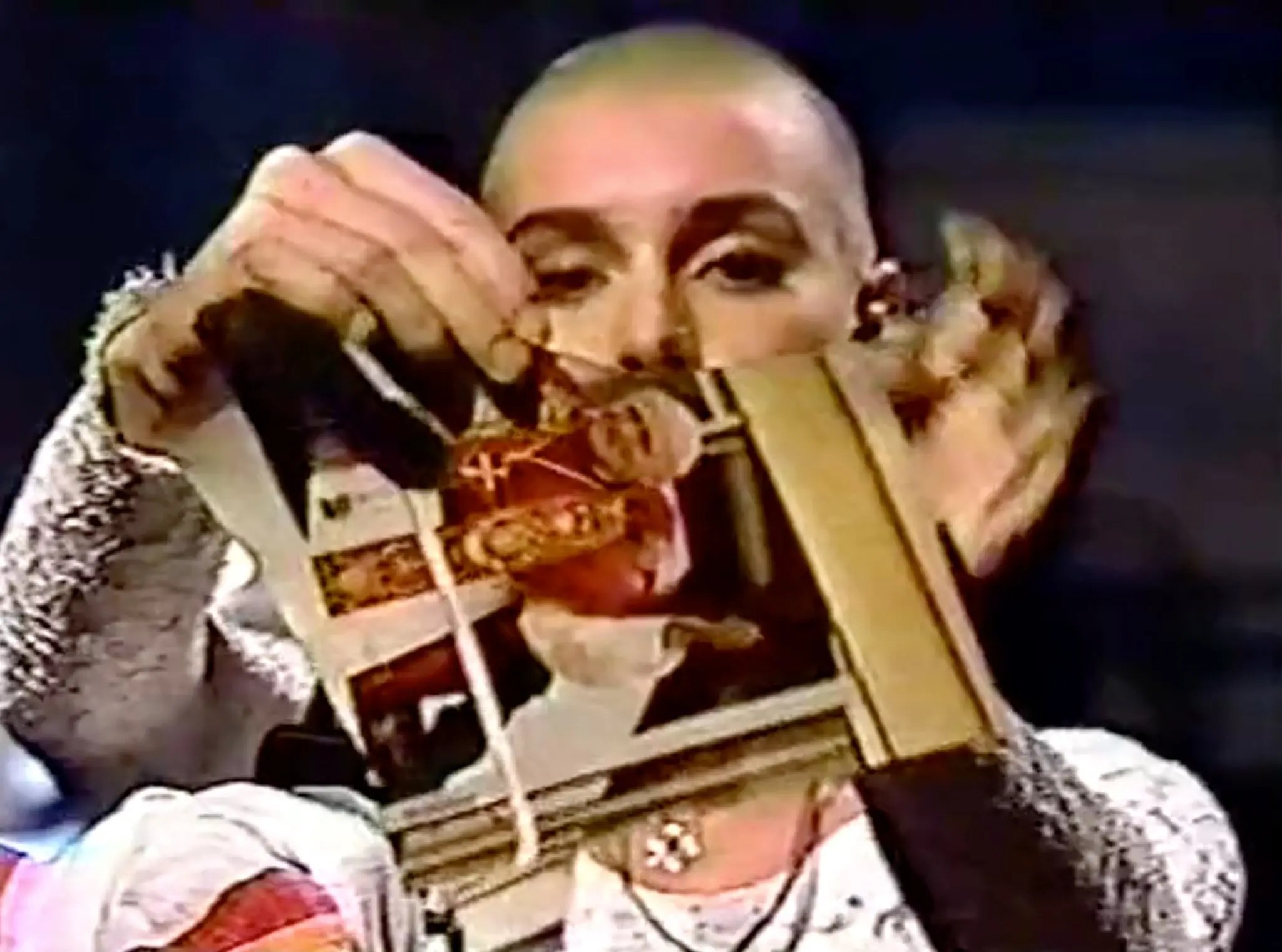
Sinead O'Connor on Saturday Night Live, 1992, tearing a photo of Pope John Paul II.

(Content note: sexual abuse)

I am a survivor of childhood sex abuse.

When I was nine years old, I was molested by an adult. I wrote about the abuse in an essay here. (And I’ve written about it on my blog.)

I am grateful to all the love surrounding me and other survivors who are healed and healing, so that we can survive, so we can be healed and be healing. Beyond Sinéad O’Connor’s music itself (which is a potent container for my brokenness and rage more generally), being a survivor is one reason I am feeling the impact of the death of Sinéad O’Connor.

I remember watching Saturday Night Live on October 3, 1992, when she sang “War” by Bob Marley (which she had adapted to include indictment of child sexual abuse). And then tore apart her mother’s photo of Pope John Paul II. Her invocation, her voice, her conscious action. How she was standing up for children. I remember seeing it happen live on SNL, and how I felt then, how courageous and powerful she was, when I was only beginning to comprehend how my abuse history had impacted my life and my living. I believe that my abuse was passed on to me (via another human’s un-metabolized trauma) due to abuse which had happened within the context of the Catholic Church. I remember how, back then, even though survivors were beginning to emerge from the shadow of shame, still, how hard it was for me to speak about what happened to me. But I did. Later I confronted my abuser. That confrontation was an important part of my healing. Over many years, I have been able to move through and metabolize the trauma. I have been very fortunate in this journey.

I remember how I felt back then, and I celebrate how I feel now.

Sinead O’Connor spoke and stood for many of us who are survivors. I am grateful to have existed when this human and artist also existed. If you don’t understand why people are feeling her death, here is one reason: https://www.youtube.com/watch?v=ZSLyEPeWjNk

(This post was repurposed & woven into my essay, “Everywhere is War,” which you can read on Nuts and Bolts from Sonya, Sonya Huber’s e-newsletter.)

Existence & if it were another world

IMG_1201
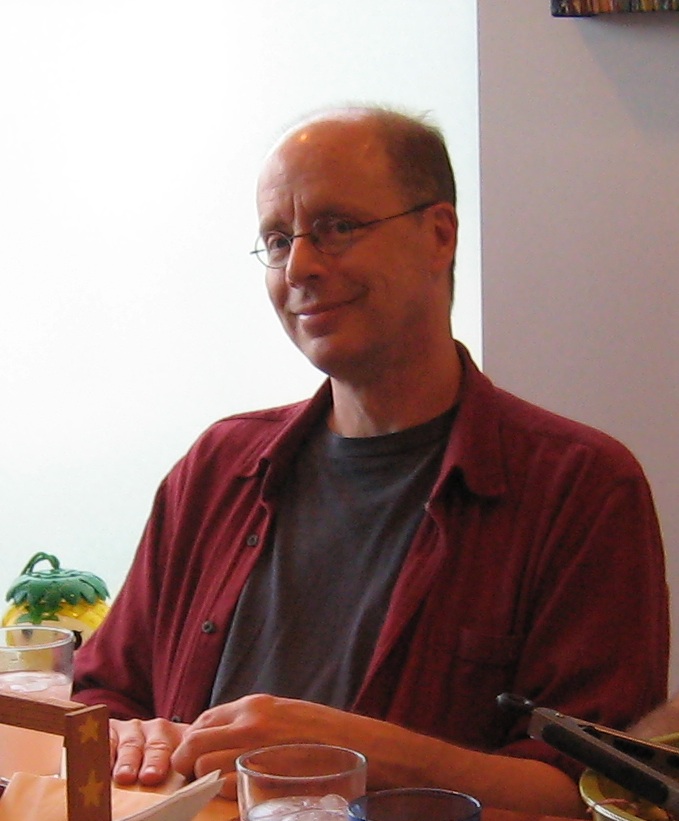
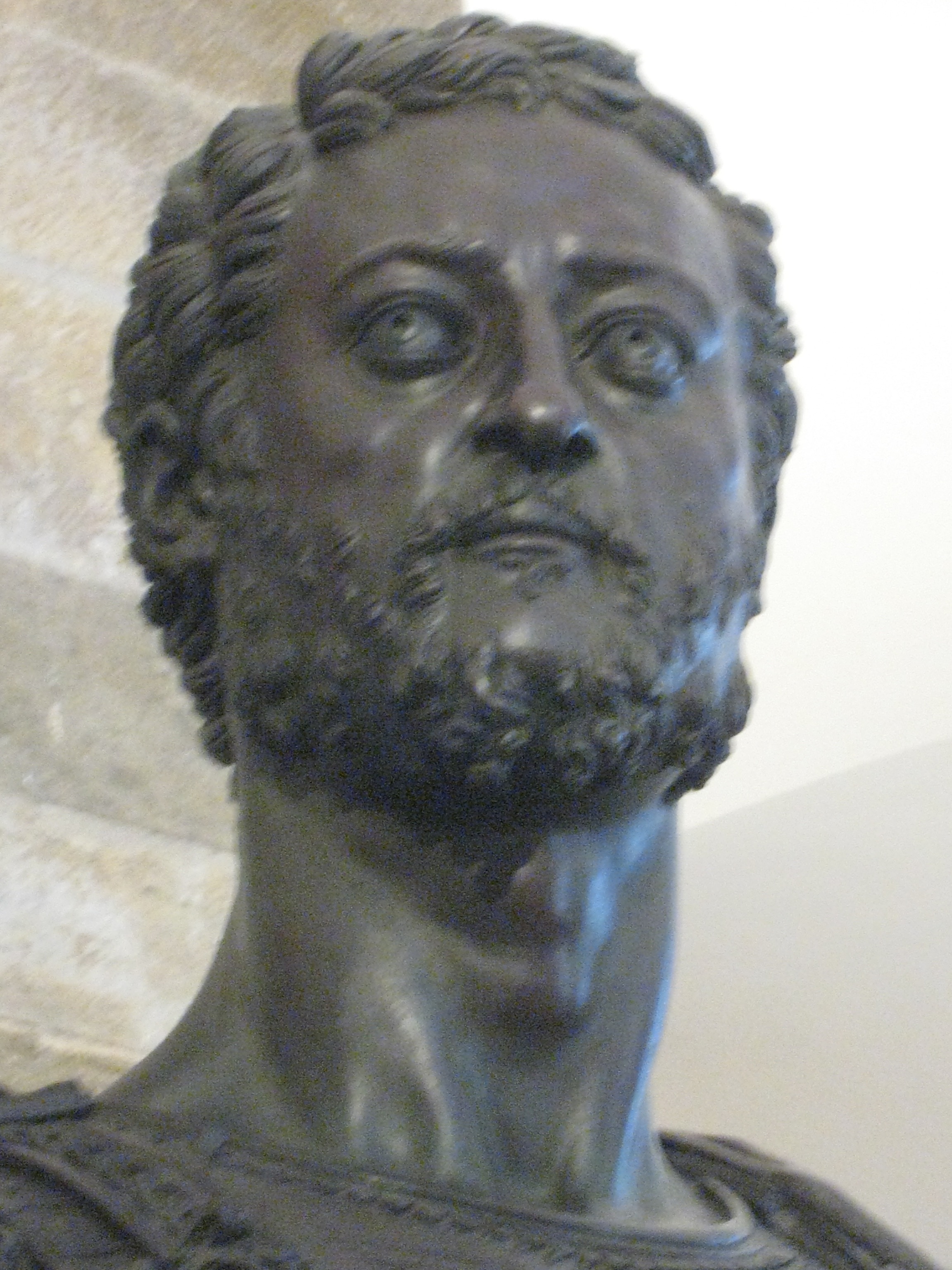
Ancient and modern: An ancestor of Jon Langford? (Benvenuto Cellini’s bust of Cosimo I de Medici, Museo Nazionale del Bargello, Firenze.)

Listening to the Mekons EXISTENTIALISM this morning, I spoke parts of the following to my husband…jet-lagged, and not as precise as I’d like to think is my usual, here’s an attempt to capture my words/thoughts, after a little more caffeine:

I can’t believe I never knew of the Mekons until I met [you] my husband. Not because I knew so many bands, but because the music of the Mekons goes straight into the body, to reach the tender bit that is humanity, or something else I can’t articulate. Anyway, their music feeds that part. As I listened this morning, I thought, why doesn’t everyone see this? Maybe it’s just an inescapable fact of independent art-making, the small batches that come from not being a Big Famous Commercial Commodity. Microbrew of sound. An acquired taste? We should all acquire it. If the world were just, their sounds would spill out to all humanity. We’d hear the Mekons piped through the air in sports bars and over sidewalks. (Wouldn’t that be a different world?) If that happened, we’d have to wake from complacency and consumption; I wonder if we’d ever get anything “done.” If the trains could possibly still run on time, if making and selling widgets would still be relevant, or if our inner parts would thrive better, if we’d get off our rumps beyond widget-making, and make art.

…help me answer these and other raggedy questions by purchasing EXISTENTIALISM from Bloodshot Records here. (And add the most excellent ANCIENT AND MODERN for just $8.95 more!)

(Who are the Mekons? If you’ve never heard of them, now’s the time.)

jdlpromoshot1
Cosmio I, is that you?

Support the country’s oldest democratic school (& have some fun, too!)…

langford_cook
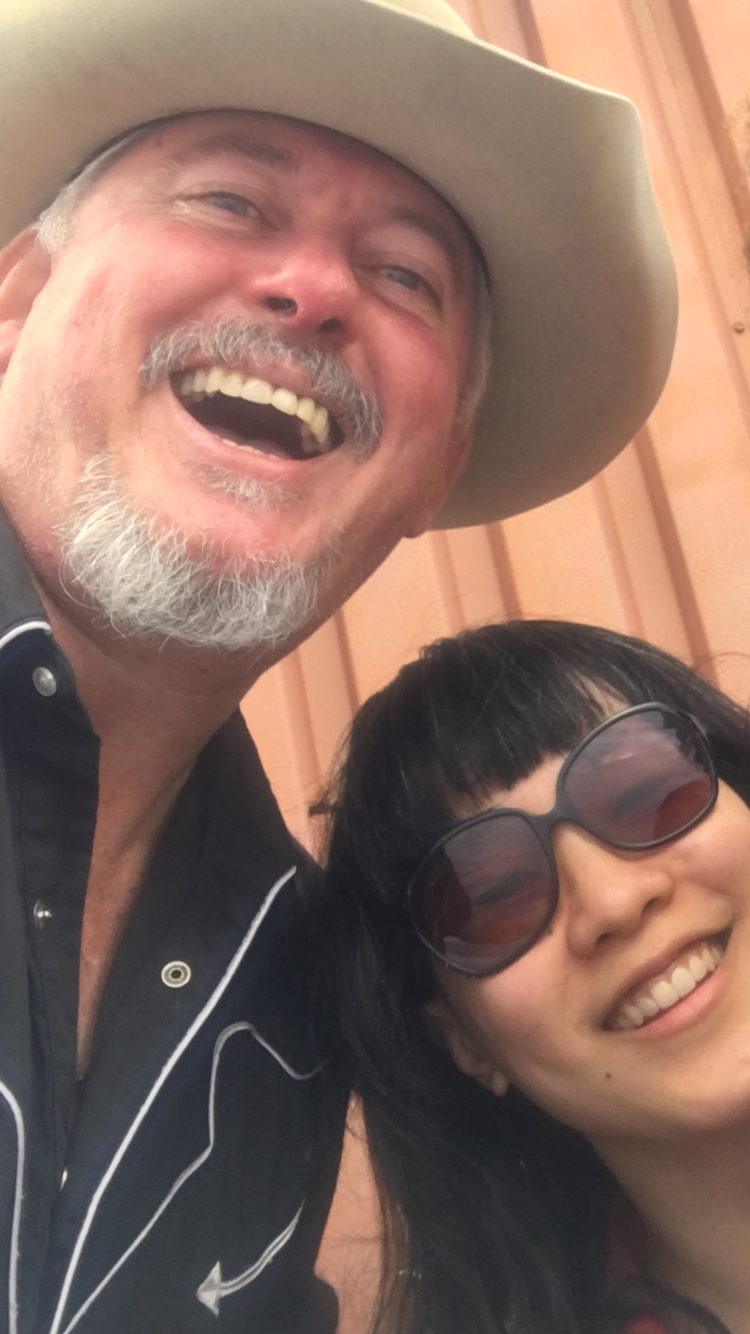
Jon Langford & Jean Cook

Dear Readers,

Happy Friday!

Here’s a sweet video of Jon Langford and Jean Cook doing the song “Are You An Entertainer?”  If you have 4 minutes and 54 seconds to watch it, please do (you’ll thank me!).

And if you’re near Yellow Springs, take note: Tickets for the Antioch School Gala are still available. YOU CAN SEE THESE TWO AMAZING HUMANS PERFORM LIVE, ON MARCH 4, IN YELLOW SPRINGS, OHIO!

Life may seem nasty, brutish, and short, but we need to find the bright spots where we can.

This event is a vital fundraiser for the country’s oldest democratic school. The ticket price includes food, an open wine bar, and performance by Jon Langford and Jean Cook. Where are you going to get a deal like that anywhere else? For more information, check out the School’s website here.

Love, Rebecca

Prince (& how it still seems impossible)

messy_ink detail
Purple prose, to be sure.

His music was the color of the sky of my coming of age. His potency and unapologetic thrust toward LIFE made room for us to do the same…and by “do,” I don’t only mean do the nasty…he named things we could only stumble through feeling, back in our half-formed days…he was able to let the quivery bits of being a vulnerable human shine through, but refused to let that vulnerability stop him…when I think of the iconic flirtation in the geometry of his mouth…he was such a beautiful gamester…I don’t want to make him into a messiah…but there’s something about a world where Prince’s style of shiny permission-giving could be part of my teenage life so casually, so almost accidentally, that makes me believe there COULD be a messiah like Prince…

Reading Krusoe

Krusoe_sleep garden
Jim Krusoe’s newest novel from Tin House

“If a person will only think about it, the first fountain pen was
undoubtedly the human body itself, with its seemingly endless
(till death do us part) supply of ink.” —p. 165, Parsifal

“A fountain pen forces no one to read its words.” —p. 224, Parsifal

As I read Jim Krusoe’s writing, which I’ve been doing for a decade and a half, I find it simultaneously familiar and strange. In his work, I hear a persistent drumming behind the prose, a call. My ears strain to grasp the sound; it’s just beyond my reach. It occurs to me that it’s similar to how the musician Bill Frisell allows his past themes to reemerge and weave into the texture of the new, Don’t I recognize that from somewhere? Familiar, strange. By these haunts, I’m both lulled and awakened. What does that memory mean this time?

In Krusoe’s work, that mystery gives me permission to dream while I’m awake. Or, perhaps, as Krusoe puts it on p. 75 of Parsifal: “Somewhere there must be a word, some technical term, for a combination of anticipation, nostalgia, and dread.”

Then there are the pens. The protagonist of his last novel, Parsifal (Tin House, 2012) repairs fountain pens. (Reminiscent of the protagonist in his first novel, Iceland, who repairs typewriters.) This persistent loyalty to archaic means of capturing story on page is a comfort in our era of disembodied ones and zeros. In the narrative weave of Parsifal, a sort of Aesthetics of The Fountain Pen emerges:

“‘In my experience,” Parsifal tells those who ask, ‘there are two kinds of people: those who enjoy complications and subtlety, and those who do not. If you are not the sort of person who enjoys complications and subtlety, then a fountain pen is not for you.’”—p. 191, Parsifal

I write first drafts on paper. The fountain pen is my primary tool. Wait! Am I “the sort of person who enjoys complications and subtlety?” Am I really? Or do I like things more tidy? Complications and subtlety are so messy! So uncomfortable! But evidently so appealing, so attractive. As a person who (apparently) enjoys complications and subtlety, the fountain pen thread was one of the primary pleasures as I read this novel. If we can trust the narrator of Parsifal:

“During the first years of fountain pens, prior to the actual Golden Age, which was roughly from 1910 to 1950—prior to the invention of the ballpoint, in other words—it is a little known fact that no fountain pen came with the small clip that holds it snugly inside a pocket of a shirt. That was invented by George Parker, of the Parker Pen Company, and ever since then it’s hard to imagine a pen without one (though some pens are still made this way, primarily for the Japanese market). So it is possible for something to come from nothing: no clip for many years, and then suddenly, a clip. And now, with the fountain pen practically extinct, the clip lives on, attached to ballpoints, and roller balls, and mechanical pencils, and laser pointers.”—p. 246

Jim Krusoe was my mentor in graduate school, and since then has continued to be a significant influence, inspiration, and support. In the classes I teach, we sometimes discuss why different writers write. I’ve never asked Jim why he writes, but I wonder if there’s a clue in Parsifal on p. 181, “Who was it that said our sole glory as humans is to leave behind a record of our crimes and desires?”

(Was it Jim Krusoe?)

His next novel, The Sleep Garden, arrived at my house yesterday. I cannot wait.

What I might have said at George’s wake

George Romansic, Seattle, August 2011

Last weekend, I was in a roomful of people remembering George Romansic. (If you don’t know who George was, you can read something about his work here and elsewhere on the internet.) Some of his people spoke that night, some played music, some just smiled, hugged, and wept. If I had spoken, here’s what I might have said.

I last visited George, who was my favorite DJ, in early January 2015. He would live a few more weeks; by then he was badly affected by the glioblastoma that killed him, but when I got there on New Year’s Eve, his George-ness was still quite evident. We hung out. As usual, in his living room, the music playing was vast and diverse and wonderful. George wasn’t up to DJing, so his son John Lewis was doing the work. George smiled when he told me John Lewis had been taking requests, finding just what his dad needed to hear from the freakishly-extensive music library. The music was good, no, not just good but delicious, like the best cafe latte (not Italian, not Starbucks, but a real Seattle coffee, like you’d find at Caffe Fiore or Cafe Lladro, anytime, but if you’re really lucky, when you were hanging out with George). At some point during the visit, John Lewis played some of his own music from his laptop, delicious too; it sounded really really really good. The child is of his father, and of his mother, but also of himself. The light in George’s face when he said his son was DJing was one of the truest things I have ever seen, that love. I see, anyone nearby who’s looking can see how George lives on in his children, John Lewis and Maddie, can see how the glorious light in these beloved grown children keeps the source of their father alive. I am grateful for this.

Now, I recall the room at George’s wake, brimming with creative people who knew and loved George. I want Maddie and John Lewis to remember that room too, and to know how many people (in the room, and elsewhere, everywhere) have their backs. (Maddie and John Lewis, we’ve got your backs. Joanie, yours, too.)

The other thing I might have said then or want to say now is that a couple months before I visited George, when I heard how really serious things were turning with his health, I happened to be reading Lynda Barry’s incomparable One! Hundred! Demons! (which I wrote about here.) I got to the part where she writes:

The groove is so mysterious. We’re born with it and we lose it and the world seems to split apart before our eyes into stupid and cool. When we get it back, the world unifies around us, and both stupid and cool fall away.
 I am grateful to those who are keepers of the groove. The babies and the grandmas who hang on to it and help us remember when we forget that any kind of dancing is better than no dancing at all. —Lynda Barry, One! Hundred! Demons!

And I realized that if I know one person who is a keeper of the groove, along with the babies and grandmas, it is George. Literally, in his many musical breathings in this life, in the boxes of CDs he knew so well, and in a more magical and ineffable way. George kept the groove in his pocket, in the way he would always pick us up at the airport, in the light behind his glasses, in the beat of his kind and gargantuan heart.

How music will do

Thanksgiving cork at my table, smiling.

Setting up my dining table command center for a morning of work, I look at the CDs to find the day’s soundtrack. Something not too demanding, lyrics are okay for the work I have to do today. I find Iron & Wine, Our Endless Numbered Days. I put it on, but it’s not as simple as I remembered. It propels me back to the early days of Merida, the vague panic I felt when my sleep-deprived mate Robert abandoned me each morning to go off to work. I sat in the rocking chair, nursing the baby to her morning nap, listening to Iron & Wine’s breath, quiet and trapped until she would wake. Sometimes it was an hour, sometimes longer, my infant, my living heart that stepped into the world safe in slumber on the Boppy pillow. Sometimes I waited for my friend Colette and her baby Sabine to come over, so we could strap babies to our bodies and go for a hike, or simply share the overwhelm, the “quite an adjustment” to becoming parents. Or sometimes I read a book, or more likely a magazine, often something about mothering, how to make things perfect, or just how to survive these early, stretchy hours and days. They felt they would last forever. They didn’t. Now it’s now, now she’s off being seven at school with her friends, now I have only a few grains of baby left in the hourglass, which is fine, which is good, which is what I want, which is heartbreaking.

Now, at night, she worries about all the people around us who are ill, or have died, recently. We name them, talk about how. I remind her that there are also babies being born, babies we know or will know. “I was just thinking about that!” she says, sounding happy. We name the babies, too. But still, the ghosts. She writes elaborate notes to the ghosts that are haunting our house, folds and paperclips them into tiny swaddled bundles, and tosses them out the window into the snow, where I will leave them until they decompose. She knows that it’s worth writing the notes, that maybe it will help.

Which is fine, good, what I want, and heartbreaking.

That some day she will read my words. That some day she will understand how complicated it all is, this leading, this being a parent to a person, to an eventual woman. That some day she might also have music that will tunnel her back, how music will do, to a time that seemed it would never end. That everything ends.

(That this is my life…)

Who knows where it will lead.

Here’s what happens when I see my friends Deborah and Karl Colon (of Changeling) play their music: My heart, having usually been trapped inside my body (where it lives) for some number of days, weeks, or months, sneaks through the sonically-opened window (the one attached to my soul) and my heart unfolds its tired wings, and rises upward or outward, to wherever it is that beauty lives. Yes. This. The heart goes for a visit to Beauty. It’s a tactile sensation. At the first few strains of their music on Thursday night, I felt it, and realizing that this, this, watching the gamboling and frolicking of our children together, this diamond-making that my musical friends do, I thought, and could hardly believe, “This is my  life…that this is my life…”

Incantations

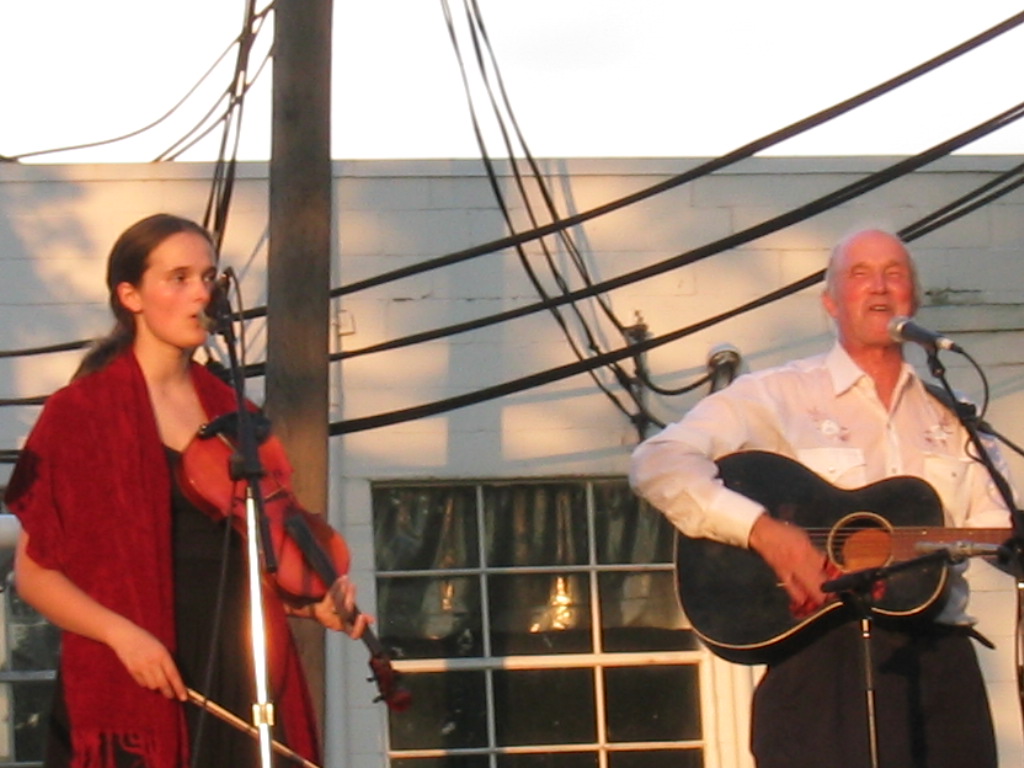
Jack Hardy and his daughter, Morgan Hardy, in 2006
Jack Hardy and his daughter, Morgan Hardy (2006)

Two of my short pieces (a story and an essay) that will be published within the year include lyrics from Jack Hardy’s songs. (Read some posts about Jack here.) In my response to his family’s  granting permission for me to use his words, I wrote:

His music has been (and continues to be) the tea in which my soul steeps, often, almost without thought, which must be why the lyrics make their way into my writing.  I know that part of what he intended with his songs was that they be incantatory.  I hope that in immortalizing them in these short pieces, his incantations will ripple outward…

This is how life works. And what glorious tea in which to steep!

(What are you steeping in right now? How does your life-tea suit you?)