I’ll be reading on Wed., Nov. 12, 7pm, at the Coretta Scott King Center at Antioch College.
I’ve been invited to read from my novels and shorter work at the Antioch College Local Writer Series. The reading will be on Wednesday, November 12, at 7pm at the Coretta Scott King Center at Antioch College (Livermore Street, across the street from the main Antioch towers). The event is free and open to the public, and I hear there will be snacks (and maybe a little glitter!).
I’ve had little time for writing lately. But the intention, and the work when time allows, is to return to the brain of my novel in progress. At intervals, when I approach the stack of notes, outlines, and diagrams, I find scrabbly handwritten pages, still to be typed up. Today, three such forgotten pages included intricate ramblings that I don’t remember writing. But based on the single sheets on which the words are written (not in the notebook, not on yellow legal paper) I recall now rushing to my daughter’s creative movement class, realizing I brought no work to do, and finding scrap paper. The words on the paper were extra crazy and weird, abstract and also specific, really just a spew of stuff about the textures and elements of this novel. If the last novel was water and air, this one is earth, metal, fire–so this is what the windings on those found pages contain.
“Just make some shit up,” my husband and I often say about writing fiction, part joke, part true. For now, when it’s hard to get back into the novel’s essence, I am grateful for these odd scrabbles to type up. Because I can always type. And I trust the Wexlerian principle of just putting it all in, pile it on, see what fits.
The junk yard of words is in no hurry, will wait for me.
Swimming beyond the breakers, being lifted gently, interpreting light and shadow on waves, a practice, being the human working and being carried by water and letting go of every possibility of knowing.
Feels like writing a novel.
In 2000, on my first trip to the beach with my then not-yet-husband, he and I went out swimming. I kept trying to see if I could stand, kept trying to know where I was. His advice: Don’t try to touch bottom. It will only scare you if you can’t. Just swim. I am from inland, from clear chlorine pool swimming. In that dark North Carolina water, full of who-knows-what, I learned about a certain kind of faith. The kind of faith that teaches a body to trust that it will know what to do, that it will tend to survive. Floating and swimming and rolling in those waves, I realized the novel I was beginning to write was like that. Don’t try to touch bottom. It will only scare you if you can’t. Just swim.
This seems the only way of making something when you’re trying and there might be nothing there. The cliched leap of faith, the answer to the question, “What else would I be doing with my life if not this?”
Twelve years later, still swimming, still trusting that a body will know what to do.
On the waves, writing another novel, still.
**
Or, says Tom Waits:
The ocean doesn’t want me today
But I’ll be back tomorrow to play
And the strangels will take me
Down deep in their brine
The mischievous braingels
Down into the endless blue wine
I’ll open my head and let out
All of my time
I’d love to go drowning
And to stay and to stay
But the ocean doesn’t want me today
I’ll go in up to here
It can’t possibly hurt
All they will find is my beer
And my shirt
A rip tide is raging
And the life guard is away
But the ocean doesn’t want me today
The ocean doesn’t want me today.
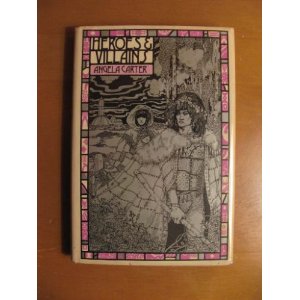
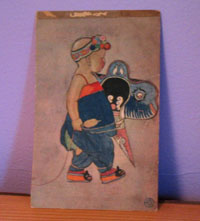
This is not my book, but there’s one like it on my desk. I wish you could see the cover up close.
There’s a book on my desk that I finished but can’t quite put away. I want to blog about it but have not had time to be thoughtful, and the tapestry of its pages is still sinking into my soul. It’s Heroes & Villains by Angela Carter. My husband recommended it–he thought it would inspire me as I work on my new novel, because it’s also about a young woman who loses (and maybe finds) herself in a world very different from the one she’s known. (In my case, the protagonist has amnesia, so she doesn’t know what she’s known.) And both lost/found young women get pregnant. Reading this novel confirmed what I knew: I need to read much more Angela Carter.
As I read, I saw that my husband’s recommendation was eerily right on. I am not comparing my work to Carter’s writing, but there are some similarities between my book and hers. How could I have known that the novel I’m working on has this kind of root source essence to dig into? I read this novel too quickly; I didn’t give it the time and attention it deserved. Now it sits prettily on my desk, wanting more of me, and me of it, but there’s no time right now.
All I can say is that it deserves more of me, and we will both have to wait. But it will be worth the time, at least for me.
Post on your blog the next 7 lines, or sentences, as they are – no cheating!
Tag 7 other authors to do the same
***
Mim stopped herself telling Cleopatra anything about Beede. She wanted to hold him inside herself, alone, to hoard him, as long as she could. If she told of him, it would water down his essence. And there was something hungry about Cleopatra that made Mim not want to share Beede with her in particular. Tonight Cleopatra smelled sharp and musty, like she had been cooking remedies, or maybe she had been outside with a man, but Mim couldn’t separate the smells to divine which man, and Cleopatra never told when or if.
“Where did you come up with alabaster?” Cleopatra asked.
“Suspenders.” Mim wanted an answer.
***
So with no intention to annoy, I’m tagging seven friends who write…
A poem from a couple years ago, inspired by the novel I’m working on, working title of which is The Eight Mile Suspended Carvinal. This is the character Beede talking. I can’t do line breaks right in html, so I think the word “vast” was originally on the line above where it appears, but below it’s an orphan, which makes sense in the story of the novel at least.
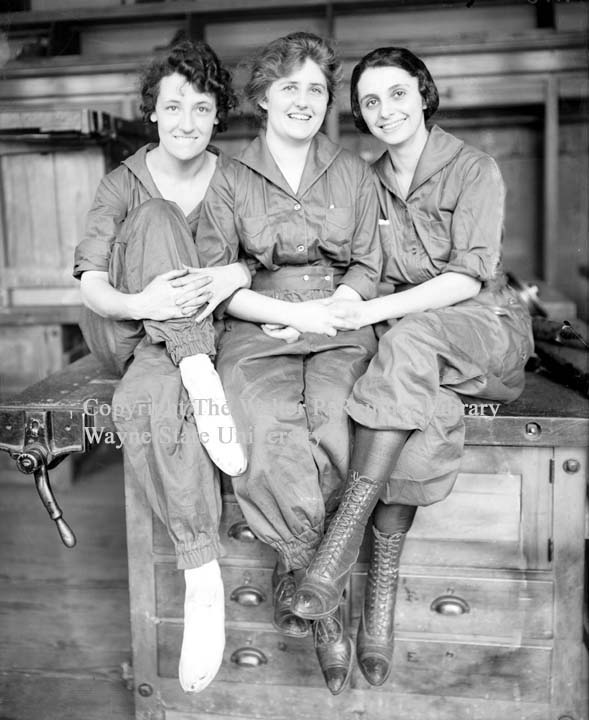
Who lost track past midnight at the Spurlock Munitions Factory, near-river, 1917?
Oh yes Oh yes Oh yes
What you’re to see, boys, you dark, dirty skells, you
seen plenty spark here, what else, you’re thinking
you constitute yourselves of solids, you’re commanding
gentlemen, can take some things, maybe you’ve traveled, say
Illinois, Illinoise, farther, it does not take ambitious nature
to see the world, just a slick hand and some loose pocket. Rust is everywhere–
Davey knows my language. So you did time, who hasn’t, all we got is time in this vast
bum’s end of things, I’ve spit up wet gobs of coal, we’re all the same
just don’t get caught. Once saw a man dangling from a shagbark hickory, by the neck, all of it, tree bark and scales fallen from those eyes, all I can say is use the brain-pan,
don’t get caught
and you won’t end up with any fallen scales, don’t laugh back there, it wasn’t all
that amusing seeing that man up there, the weight of himself dead
meat. He didn’t have much luck.
But you’ve stepped up around here, all of you,
waiting on that kiss which makes us all breathe in, every crusted morning, for the long years we’ve got, a kiss humid and lovely like that mind-reader at the carnival,
she’s got curves, wait another day and maybe you’ll find that luck somewhere. Factory life got you groaning, you’re thinking anew, ready for this
fire? Let me take off my shirt now. The way I do it, you won’t even see the spark,
just watch. Lucien B. Dunavant will show you the light.
You count your breaths; I’ll count mine. That old sack granddaddy Spurlock
has not one thing on me.
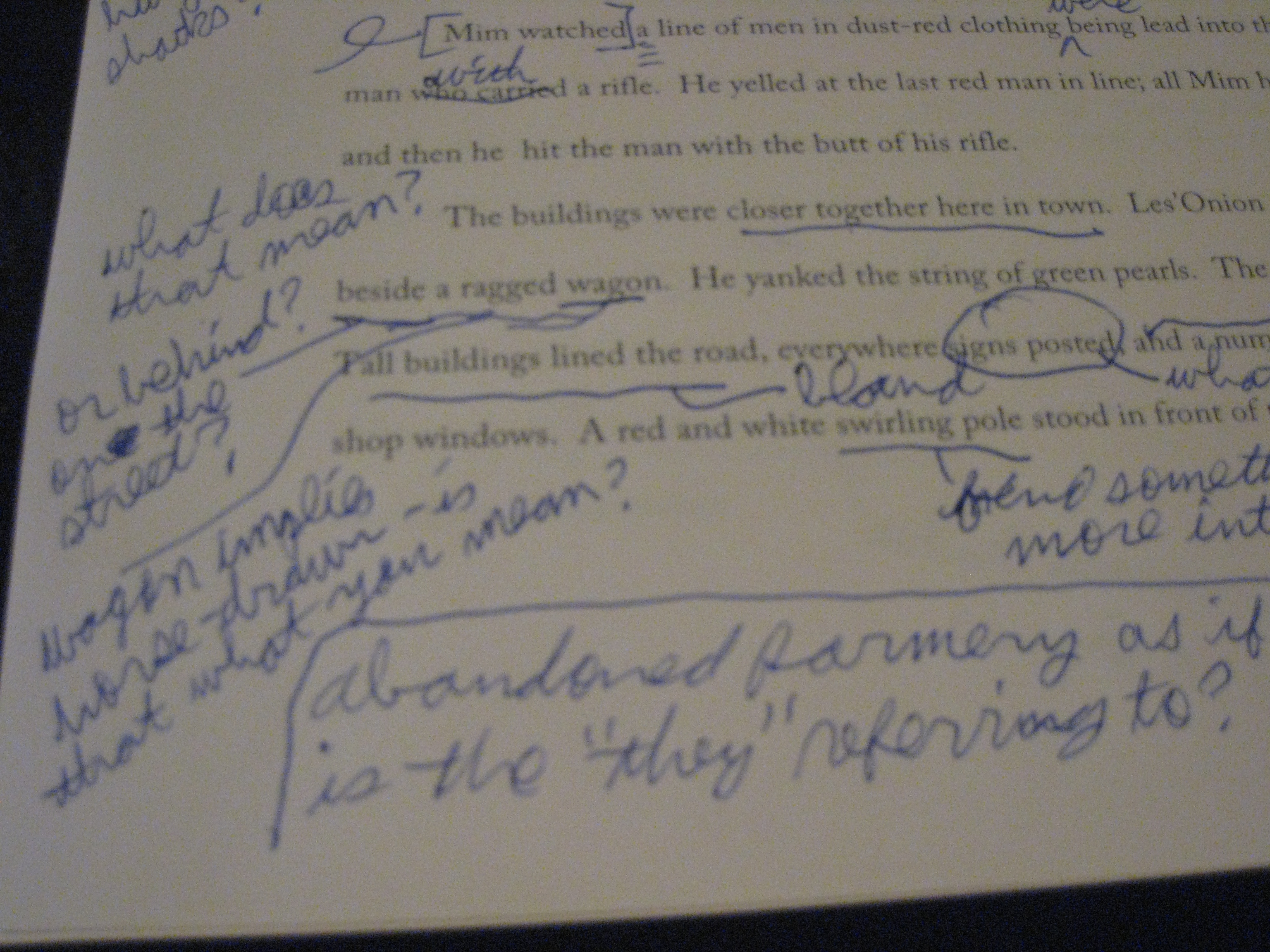
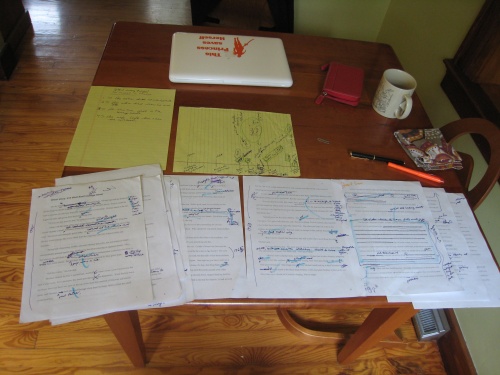
So I’ve been working on this terribly overwritten draft of my novel in progress. Gone through the printed pages carefully, cutting, pruning, taking out piles of adjectives and phrases. The typed pages are a mess now, not unlike this other mess from a previous project. I keep thinking, “Which gremlin scribbled all over these neat pages here that I now have to type up?” though the gremlin is me. This novel I have been writing since 2004. Part of its problem is uneven terrain: while I was figuring out what it was, I was writing along, letting time pass in the story, and the story emerged like sourdough bread (a terrible metaphor!) that, 100 or so pages into it, actually begins to take shape. So now as I comb through the years of words on these pages, I see where things need to be built up, and where torn down. With this project, I pushed language and narrative beyond anything I’d ever done. On purpose. Because I could! Here I gave myself license to write a really bad first draft, and use all the purple colorful clang I heard in my head. (Knowing I would cut later.)
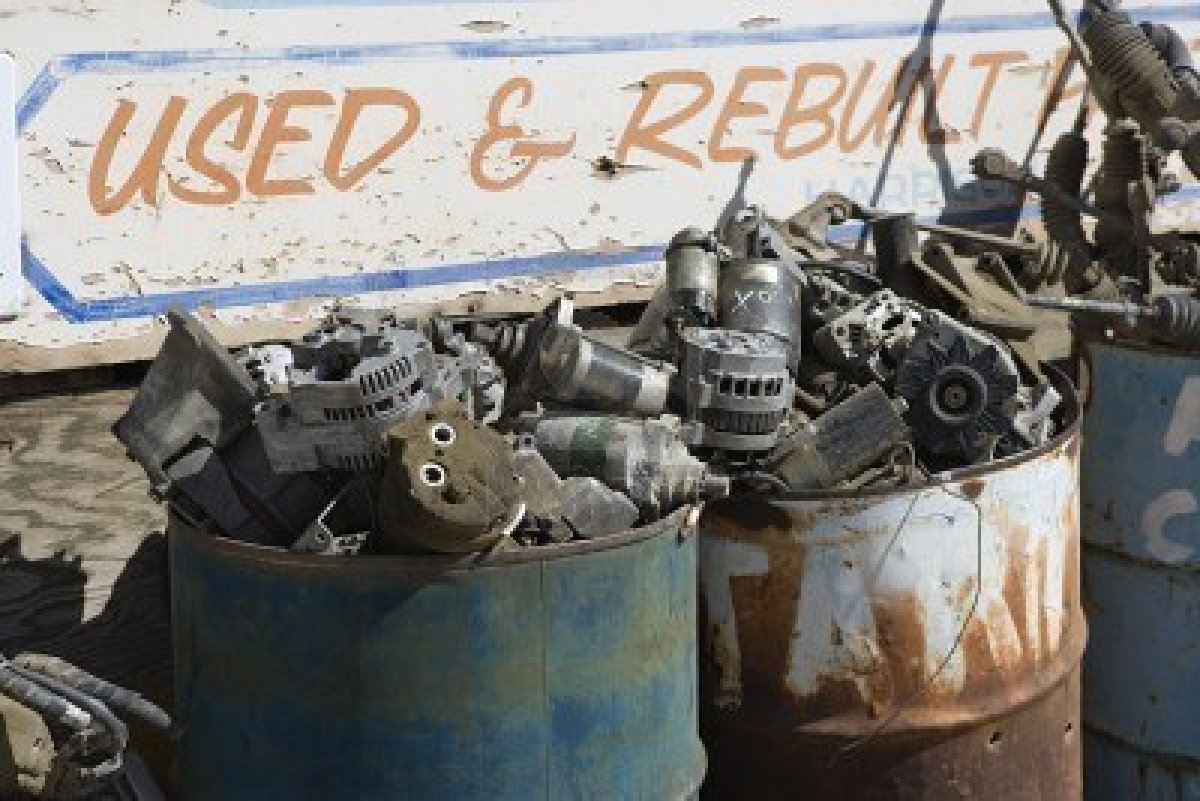
Too many adjectives! Oy vey! Too many phrases strung together that unwound from my mind and at one moment in time made sense but now hang like random junkyard decoration. Get that egg beater out of there! What did I just step on? Is that stench overripe banana? And so on.
Get it out of here!
I realize at least two things about this draft, both of which were essential to my authority in telling the story. I needed both:
1) The self-indulgent “let everything be in there” messiness. As author and creator of this world, I had to see how dingy and dusty and clangy and rotten the nouns were. I had to see the layers of adjective like paint on an old carnival sign, repainted over crack and crumble. How else would I know the patina of this place? And;
2) The excessive phrases that are stage directions: “She put the scissors on the round table to the left of the door” and so on. If it’s even important that she put the scissors down (question everything!) does it matter where? She put them down. Fine. But the writer, again, to establish authority, must see the whole thing happening like a play, must know and track where the scissors are put down. In case someone else needs to bob her hair! And so on like that.
If I know this world I’m writing is dusty and clangy and I know where the scissors are, I don’t have to tell you (unless it’s important to the story). If I am doing my job well enough, the reader will trust me. She will thank me for sparing her unnecessary words. Doing so will leave me more room for the things that really need to be there. It’s like all the doing of research that doesn’t end up in the novel. Having those things, knowing them, seeing and breathing them, is what allows me to tell the story in a way that will keep people reading.



 Rebecca Kuder